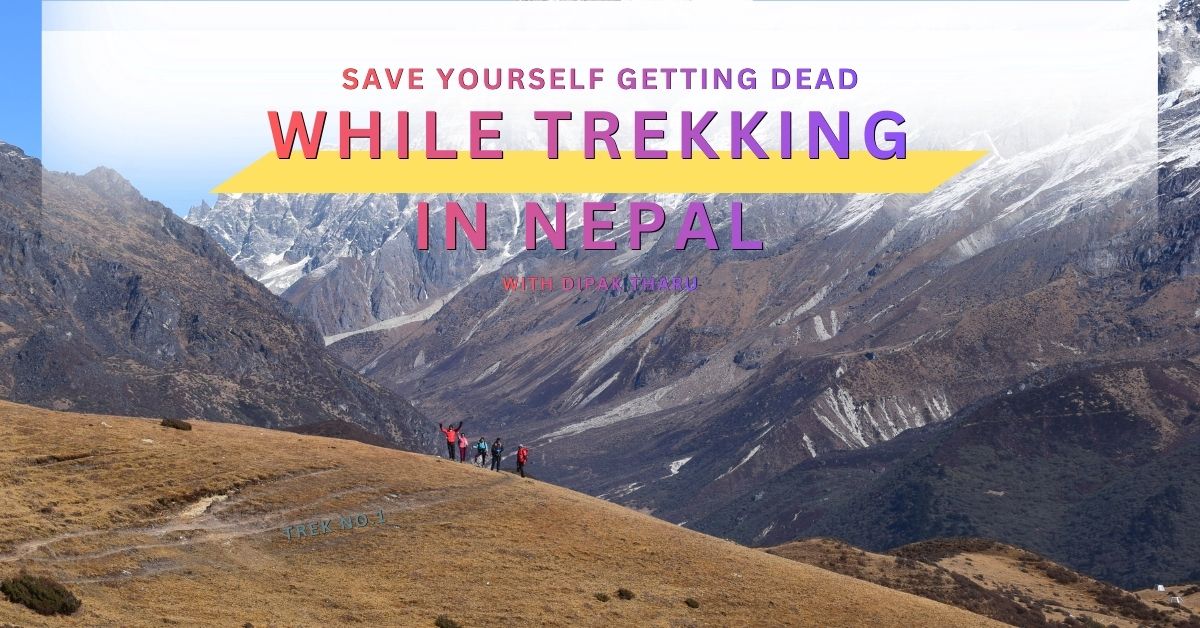
Is Trekking in Nepal Safe? The 2026 Reality Check
By [Dipak Tharu/Is Trekking in Nepal Safe] | Updated: January 30, 2026
The Himalayas have an eternal pull. Whether it’s the shadow of Everest or the silence of the Annapurna Circuit, the dream of walking among giants hasn’t changed. But if you’ve been following the news lately, you know the logistics of that dream have shifted. From the “Level 3” travel advisories of late 2025 to the strict new enforcement of the solo trekking ban, one question dominates every forum: “Is trekking in Nepal safe right now?”
The short answer is yes—Nepal remains a premier destination for adventurers. However, the “Wild West” days of solo wandering are effectively over. Safety in 2026 is about compliance, preparation, and understanding a new regulatory landscape. To help you plan your journey, this guide cuts through the noise to answer the critical question: is trekking in Nepal safe for you?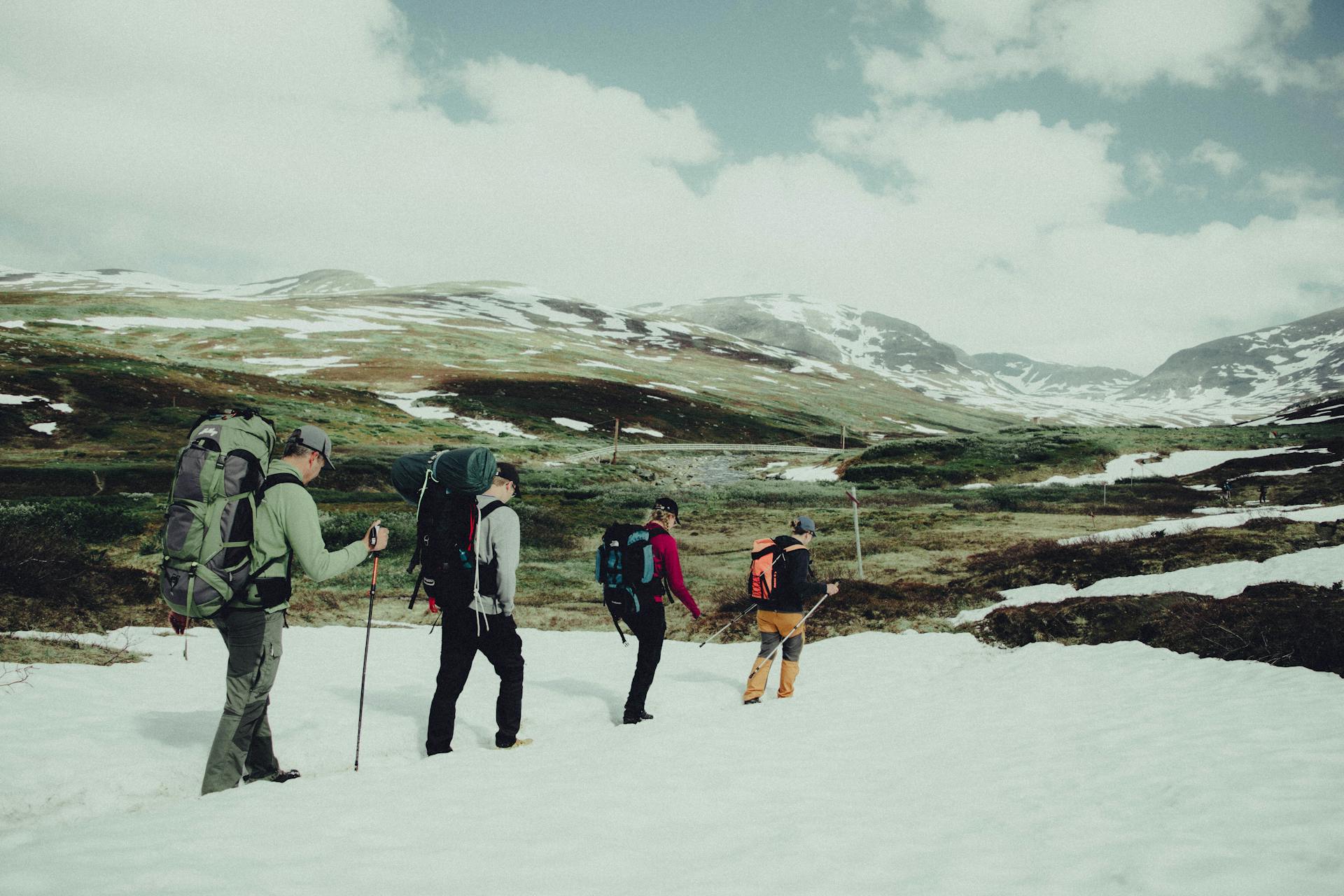
I. Political Stability: Reading Between the Advisories
One of the biggest concerns for incoming travelers is the political climate. Following the civil unrest in Kathmandu and Pokhara in late 2025, several countries maintained “Level 3: Reconsider Travel” advisories. But is trekking in Nepal safe when these warnings are in place?
The “City vs. Mountain” Reality
It is vital to distinguish between urban politics and mountain life. The unrest that sparked curfews was largely confined to the political centers.
- The Trail Reality: Once you leave the city limits, the political volatility evaporates. Sherpa communities and teahouse trails in regions like Khumbu and Manang operate largely independently of Kathmandu’s political heartbeat.
- Current Status: As of January 2026, the situation has calmed significantly. The primary safety advice is simple: avoid large protest gatherings in cities and head for the hills as soon as you land.
II. The New Era: The “Solo Trekking Ban” Enforcement
In 2026, the Nepal Tourism Board has moved from “advising” guides to strictly enforcing the mandate. This has led many independent backpackers to ask again: is trekking in Nepal safe if I can’t go alone?
No More “Green TIMS”
The independent trekker’s permit (the “Green TIMS” card) is dead. You cannot legally enter National Parks without a permit linked to a government-registered guide.
- Strict Checkpoints: 2026 has seen checkpoints actively turning solo trekkers back. Penalties now include heavy fines and potential blacklisting.
- The Safety Logic: This isn’t just bureaucracy; it’s a safety net. A licensed guide acts as your cultural translator and logistical lifeline. If political strikes shut down highways, guides have the networks to navigate roadblocks that would strand a solo traveler.
III. The “Silent Killer”: Altitude & Environmental Risks
While politics grab the headlines, the mountains themselves remain the most significant threat. When asking is trekking in Nepal safe, we must look at the physiology of high-altitude travel.
The 300m Golden Rule
Acute Mountain Sickness (AMS) sends more people home than crime or protests. Recent studies suggest that at 4,300m, AMS incidence can be as high as 68%.
- The Rule: Once above 3,000m, never increase your sleeping altitude by more than 300m (1,000 ft) per day.
- Red Flags: Learn to distinguish between “normal” breathlessness and the wet cough of HAPE (High Altitude Pulmonary Edema).
Environmental Volatility
The 2025 monsoon season was a wake-up call, with extreme flooding affecting trail infrastructure. In 2026, travelers still wonder is trekking in Nepal safe during the shoulder seasons. The answer lies in awareness: always check for GLOF (Glacial Lake Outburst Flood) warnings and be prepared for technical terrain that may require micro-spikes or crampons.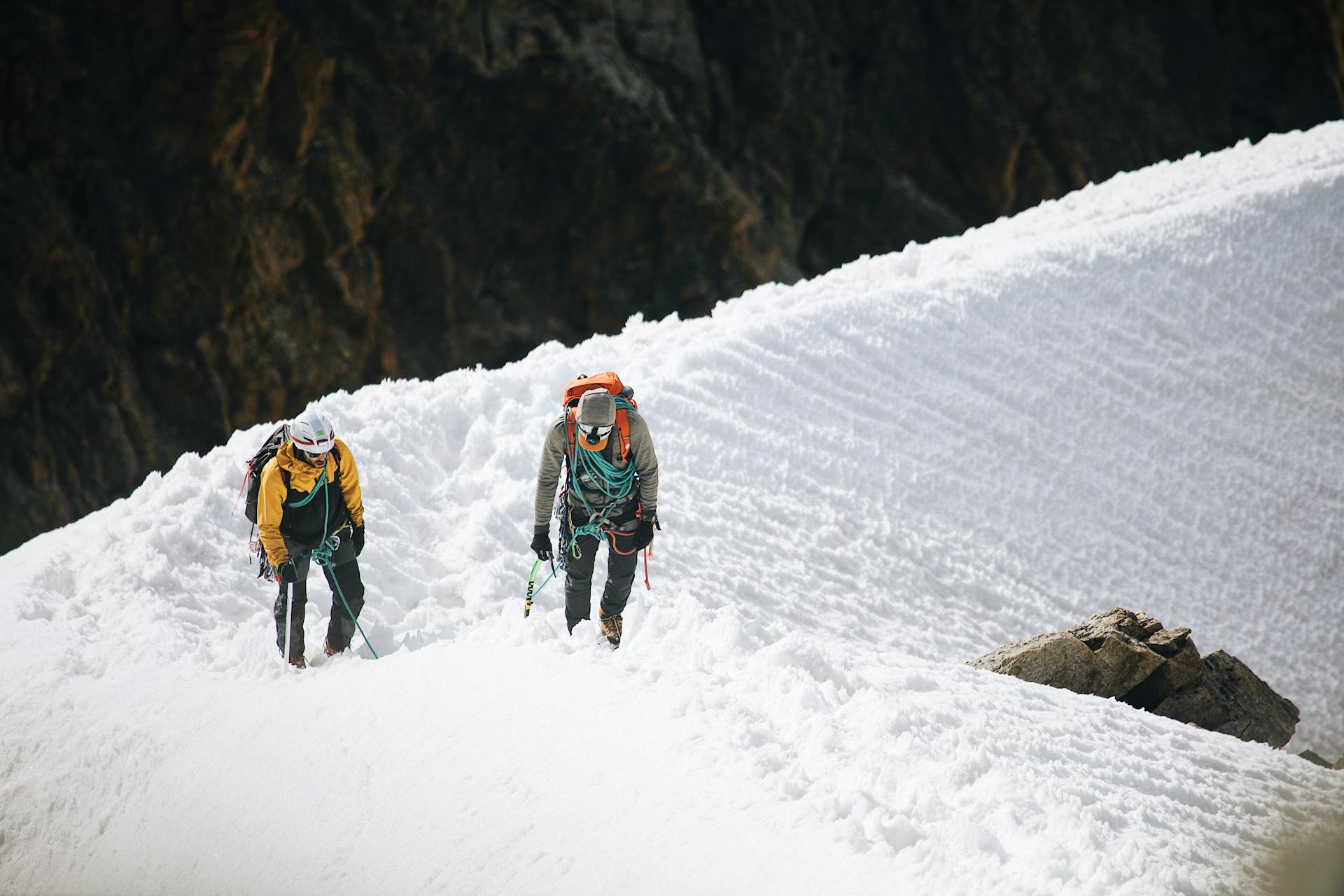
IV. Scams & Personal Security: The “Fake Rescue” Update
A major development in January 2026 is the police crackdown on the “fake rescue racket.” This scam involved crooked agencies pressuring trekkers to evacuate for minor ailments to claim insurance payouts. To determine is trekking in Nepal safe from fraud, you must be your own advocate.
How to Stay Safe
- The Red Flag: If your guide suggests a helicopter for a minor headache, be skeptical.
- The Solution: Always contact your travel insurance company’s medical team before agreeing to a flight.
Solo Female Travelers
Nepal remains statistically safer for women than many Western cities. For many women, the question is trekking in Nepal safe is answered by the presence of a growing female guide workforce. These professionals offer an extra layer of security and cultural connection for solo women. 
V. Logistics: Insurance, Gear, and Aviation
Finally, is trekking in Nepal safe without the right equipment? Absolutely not. The infrastructure is rustic, and the cold is unforgiving.
The $20,000 Helicopter Ride
Rescue in Nepal is privatized and expensive.
- Insurance Mandate: You must have a policy that covers helicopter evacuation up to 6,000m.
- The “Proof” Requirement: In 2026, helicopter companies often will not spin the rotors until they see a valid policy number.
Aviation Risks
Short Takeoff and Landing (STOL) flights to airports like Lukla carry inherent risks due to weather. While accidents are rare, they are a reality. When assessing is trekking in Nepal safe, you must weigh these flight risks against the reward of the high peaks.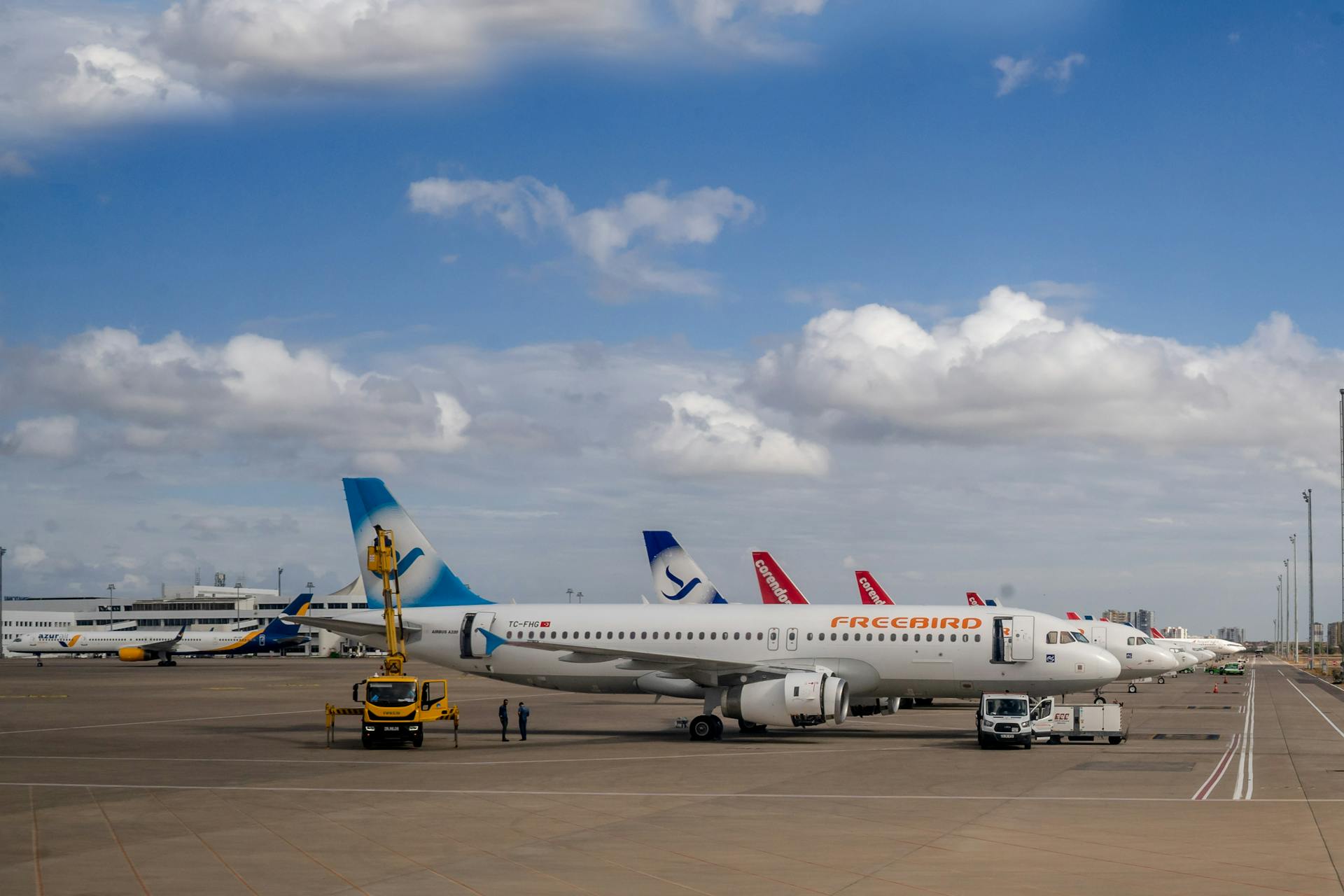
VI. Conclusion: The Verdict
So, is trekking in Nepal safe in 2026?
Yes. The mountains are as majestic as ever, and the local hospitality remains unmatched. However, safety today requires a professional approach. You must respect the altitude, adhere to the guide mandate, and navigate the logistics with care.
The “wild” days may be gone, but in their place is a more structured, supported way to experience the roof of the world.
Ready to Plan Your Safe Adventure?
- Verify Your Insurance: Ensure your policy covers trekking up to 6,000m and immediate heli-evacuation.
- Hire a Pro: Contact a government-registered agency to find a licensed guide who matches your pace.
Would you like me to recommend a few reputable, female-friendly trekking agencies that are currently operating under the 2026 safety guidelines?